
 By admin
Grocery aisles are full of marketing claims — “natural,” “low-fat,” “healthy” — that don’t always match what’s actually inside the package. The nutrition label tells the real story. Here’s how to read it and shop smarter.
Table of Contents
Why Label Literacy Matters
Front-of-package claims are designed to sell, not necessarily to inform. Learning to read the actual nutrition label cuts through marketing and shows exactly what you’re eating, making it easier to build a genuinely healthy cart.
The Core Idea: Look Past the Front of the Box
The real nutritional story lives on the back or side of the package — in the nutrition facts panel and ingredient list, not the bold claims up front.
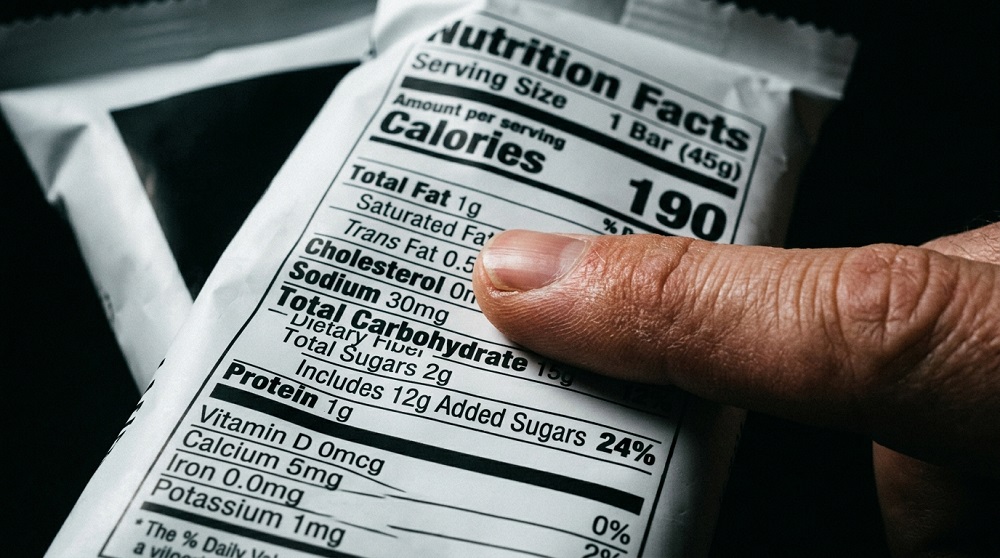
Understanding the Nutrition Facts Panel
1. Start With Serving Size
All the numbers on the label are based on a specific serving size, which is often smaller than what people actually eat. Check this first, since it affects every other number on the label.
2. Check Calories in Context
Calories matter, but only in the context of what else is in the serving — a low-calorie item packed with sugar isn’t automatically the healthier choice.
3. Review Total Fat and Types of Fat
Look for the breakdown between saturated fat, trans fat, and unsaturated fat. Minimizing trans fat and limiting saturated fat matters more than avoiding fat altogether.
4. Watch Added Sugars Closely
The label now distinguishes “added sugars” from naturally occurring sugars. Added sugars are the ones worth limiting, since they contribute calories without much nutritional benefit.
5. Check Sodium Levels
High sodium is common in packaged and processed foods. Comparing sodium per serving across similar products helps identify lower-sodium options.
6. Look at Fiber and Protein
Higher fiber and protein content generally indicate a more filling, nutrient-dense choice, especially in grain products and snacks.
Decoding the Ingredient List
7. Shorter Lists Often Mean Less Processing
A short ingredient list with recognizable items usually signals a less processed product compared to one with a long list of additives.
8. Ingredients Are Listed by Quantity
Ingredients appear in order from most to least by weight. If sugar or oil appears near the top, it makes up a significant portion of the product.
9. Watch for Sugar’s Many Names
Sugar hides under names like corn syrup, dextrose, and cane juice. Multiple sugar-related ingredients can add up even if “sugar” isn’t the first word listed.
Common Front-of-Package Claims to Question
“Natural”
This term isn’t strictly regulated and doesn’t guarantee a product is healthy or minimally processed.
“Low-Fat”
Reduced fat products sometimes make up for lost flavor with added sugar, which can offset the intended health benefit.
“Multigrain”
This doesn’t necessarily mean whole grain. Check the ingredient list for “whole” grain terms to confirm the actual nutritional value.
Practical Tips for Smarter Grocery Shopping
Compare Similar Products
Placing two similar items side by side and comparing labels often reveals meaningful differences in sugar, sodium, or fiber content.
Shop the Perimeter First
Fresh produce, meat, and dairy — typically found around the store’s edges — usually require less label-reading scrutiny than heavily packaged center-aisle items.
Don’t Shop Hungry
Hunger increases impulse purchases and makes it harder to pause and actually read labels before adding items to your cart.
Building a Long-Term Habit
Start With Your Most-Purchased Items
Focus first on foods you buy regularly — cereal, bread, snacks — since small improvements there have the biggest cumulative impact.
Keep It Simple
You don’t need to analyze every single item on every trip. Building the habit gradually, starting with a few key categories, makes it sustainable long-term.
Final Thoughts
Reading food labels turns grocery shopping from guesswork into an informed choice. Focus on serving size, added sugars, sodium, and the ingredient list rather than front-of-package claims. With a little practice, spotting the healthier option becomes second nature.
This post is for general information and isn’t a substitute for personalized nutrition advice. Consult a registered dietitian for guidance specific to your needs.