In recent years, consumers have become increasingly aware of the impact their purchasing choices have on both the environment and their health. One area where this awareness has significantly grown is in the fashion industry, particularly when it comes to fabric choices. Organic fabrics have risen in popularity as an ethical and sustainable alternative to conventional textiles. In this article, we will explore the numerous benefits of choosing organic fabrics, emphasizing their health advantages, environmental impact, and economic benefits.
What Are Organic Fabrics?
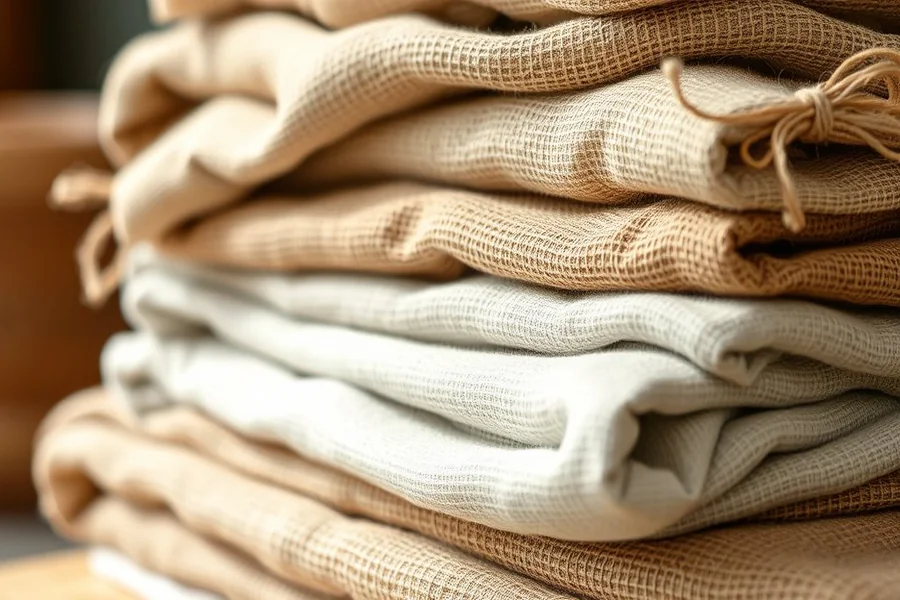
Organic fabrics are materials made from fibers that come from plants and animals grown without the use of synthetic pesticides, herbicides, or genetically modified organisms (GMOs). These fibers are processed using eco-friendly methods, ensuring that the entire lifecycle of the fabric is environmentally responsible. Common organic fabrics include organic cotton, hemp, linen, and organic wool. These fabrics are cultivated and processed using methods that minimize harm to the environment and are more beneficial to human health.
Health Benefits of Organic Fabrics
Free from Toxic Chemicals
One of the most compelling reasons to choose organic fabrics is their lack of harmful chemicals. Traditional cotton farming relies heavily on pesticides and synthetic fertilizers, which are harmful to the environment and can also affect human health. By contrast, organic farming methods use natural alternatives to manage pests and improve soil health. This means that organic fabrics are far less likely to contain toxic residues that can irritate the skin or cause long-term health problems.
Better for Sensitive Skin
Organic fabrics are also a fantastic option for those with sensitive skin or conditions like eczema or psoriasis. The absence of chemical pesticides and harsh processing methods makes these fabrics less likely to cause skin irritation or allergic reactions. Organic cotton, in particular, is incredibly soft and breathable, making it a popular choice for baby clothing, bed linens, and activewear.
Hypoallergenic Properties
Fabrics made from organic fibers are typically less processed than their conventional counterparts, which means they retain more of their natural properties. Organic fabrics are naturally hypoallergenic, making them a safer choice for individuals prone to allergies. Whether it’s bedding, clothing, or household textiles, organic fabrics can help reduce exposure to allergens and irritants.
Environmental Benefits of Organic Fabrics
Reduced Chemical Usage
Traditional farming practices involve the extensive use of chemical pesticides, herbicides, and fertilizers, all of which can have detrimental effects on the environment. These chemicals can pollute water sources, harm local wildlife, and degrade the soil. In contrast, organic farming methods focus on using natural materials and techniques that work with the environment to maintain soil fertility and control pests. This results in cleaner, healthier ecosystems and reduces the long-term impact of textile production on the planet.
Lower Carbon Footprint
The production of organic fabrics tends to have a significantly lower carbon footprint compared to conventional textiles. Organic farming systems typically use less energy-intensive methods, avoid synthetic chemicals, and focus on crop rotation and soil regeneration. This leads to fewer greenhouse gas emissions and a more sustainable textile industry. Additionally, organic fabrics often require less water to produce than their conventional counterparts, making them a more water-efficient choice.
Biodiversity Preservation
By choosing organic fabrics, consumers help support farming practices that contribute to the preservation of biodiversity. Organic farming systems maintain healthy soil ecosystems that support a variety of plant and animal species. Unlike conventional farming, which often involves monoculture crops and the destruction of local habitats, organic farming promotes diverse ecosystems where wildlife can thrive. This is a vital step toward ensuring the health and sustainability of our planet for future generations.
Economic Benefits of Organic Fabrics
Supporting Sustainable Farming Practices
Purchasing organic fabrics helps support sustainable farming practices and provides economic incentives for farmers who choose to grow crops without the use of harmful chemicals. Organic farming is often more labor-intensive, which means that farmers can charge a premium for their products. However, this cost is offset by the positive environmental impact and the growing demand for ethical, eco-friendly products.
Long-Term Durability and Cost Savings
While organic fabrics might come with a slightly higher initial price tag, their durability and longevity make them a worthwhile investment in the long run. Organic fibers, such as hemp and organic wool, are known for their strength and resilience. As a result, organic fabrics tend to last longer, reducing the need for frequent replacements. This can ultimately save consumers money, especially when considering the long-term use of clothing, bedding, and upholstery made from organic textiles.
Ethical Consumerism and Job Creation
By purchasing organic fabrics, consumers are helping to create a demand for ethical consumer goods, which can lead to the creation of more jobs in the organic farming and textile sectors. As more people choose eco-friendly products, the organic market continues to grow, providing sustainable employment opportunities and fostering a greener economy.
Why Choose Organic Fabrics for Your Clothing?
Sustainability in Fashion
The fashion industry is notorious for its environmental impact, from the water used to grow conventional cotton to the waste generated by fast fashion. By choosing organic fabrics, consumers can reduce the ecological footprint of their clothing choices. Organic fabrics are produced using sustainable practices that help mitigate the negative effects of the textile industry. Opting for clothing made from organic materials supports a shift toward more sustainable fashion practices.
Non-Toxic and Stylish Choices
One of the key benefits of organic fabrics is that they are available in a variety of stylish designs and colors. Organic fabrics can be woven, dyed, and finished in ways that maintain their ecological integrity while offering consumers the same range of choices as conventional fabrics. Whether you’re looking for a cozy organic cotton sweater or a chic linen dress, you can find stylish clothing options that align with your ethical and environmental values.
Comfort and Breathability
Organic fabrics tend to be more breathable and comfortable than their synthetic counterparts. Organic cotton, for example, is naturally soft and hypoallergenic, making it ideal for those with sensitive skin. The breathability of organic fabrics also makes them an excellent choice for hot weather, as they help regulate body temperature by allowing air to flow through the fibers. This enhances comfort, especially for those who live in warmer climates or engage in physical activity.
Conclusion
Choosing organic fabrics is not just a fashion trend—it’s a decision that can have a profound impact on both your health and the environment. From the reduced use of harmful chemicals to the support of sustainable farming practices, organic fabrics offer a multitude of benefits that make them a smarter, more responsible choice. Whether you’re purchasing clothing, bedding, or home textiles, opting for organic fabrics helps contribute to a greener, healthier planet.