 By admin
In recent years, there has been a significant shift towards more sustainable shopping practices, and shopping secondhand has emerged as one of the most popular choices for conscious consumers. Whether you’re looking for vintage clothing, pre-owned furniture, or gently used electronics, secondhand shopping offers a wealth of benefits—not just for your wallet, but also for the environment, local communities, and your own personal style.
While fast fashion and consumerism have long dominated the retail world, secondhand shopping offers an alternative that reduces waste, encourages reuse, and promotes mindful consumption. This article will delve into the many benefits of shopping secondhand, exploring its positive impact on the environment, the economy, and even your personal well-being.
Table of Contents
- Environmental Benefits: Reducing Waste and Carbon Footprint
- Financial Benefits: Saving Money and Finding High-Quality Items
- Social and Ethical Benefits: Supporting Local Communities
- Personal Style Benefits: Curating a Unique Wardrobe
- The Convenience of Online Secondhand Shopping
- Conclusion: Secondhand Shopping as a Sustainable and Smart Choice
Environmental Benefits: Reducing Waste and Carbon Footprint
The environmental impact of the fashion and retail industries is well-documented. From excessive water usage to the emission of greenhouse gases during manufacturing, the production of new goods has a significant environmental cost. Secondhand shopping offers a more sustainable option that can help mitigate these environmental issues in several key ways.
1.1. Reducing Textile Waste
One of the most compelling reasons to shop secondhand is the reduction of textile waste. In the fashion industry alone, millions of tons of clothing end up in landfills each year. According to the Environmental Protection Agency (EPA), in 2018, over 11 million tons of textile waste was generated in the United States alone. By purchasing pre-owned garments, you help extend the lifecycle of clothing, reducing the need for new items and preventing garments from being discarded prematurely.
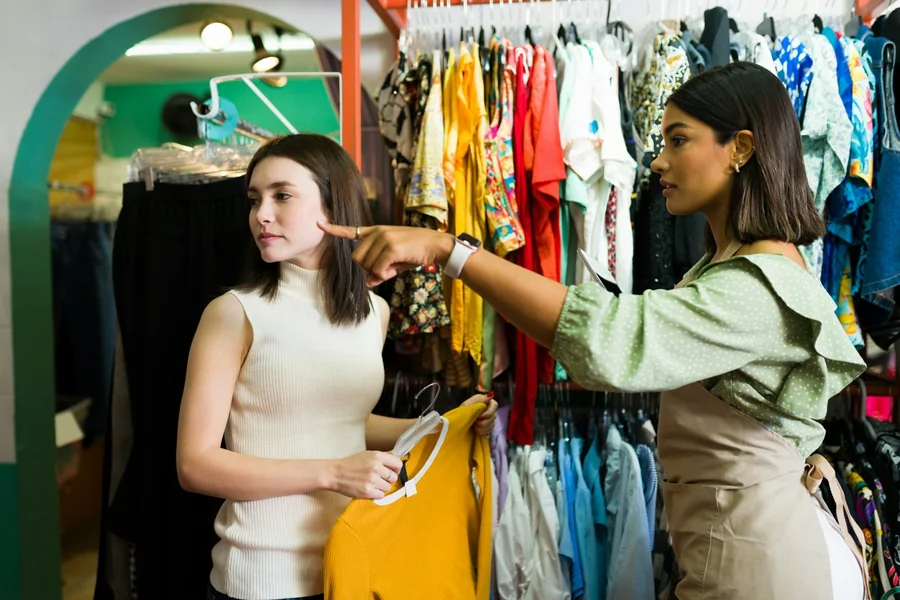
Instead of buying new clothing, consider shopping at thrift stores, consignment shops, or online marketplaces. These items often have plenty of life left in them and can serve as an eco-friendly alternative to purchasing new, mass-produced clothing.
1.2. Lower Carbon Footprint
The carbon footprint of producing new goods, especially clothing, is enormous. According to the UN Environment Programme, the fashion industry alone contributes to approximately 10% of global carbon emissions. By purchasing secondhand goods, you significantly reduce the demand for new products, thus decreasing the overall carbon emissions associated with manufacturing and transportation. Since secondhand items don’t require the same extensive resources for production and shipping, they offer a much lower environmental impact.
1.3. Saving Resources
From water to energy to raw materials, producing new items takes a toll on natural resources. For example, producing one cotton t-shirt requires around 2,700 liters of water—enough to fill a standard bathtub several times over. By buying secondhand, you’re not only reducing waste but also decreasing the need for these valuable resources to be used for the creation of new products.
Financial Benefits: Saving Money and Finding High-Quality Items
Another major advantage of shopping secondhand is the significant savings it can provide. Pre-owned items—whether clothing, furniture, electronics, or books—are typically much more affordable than new ones. Let’s explore some of the financial benefits of secondhand shopping.
2.1. Bargain Prices and Discounts
Secondhand stores and online marketplaces offer bargain prices compared to brand-new products. Whether you’re looking for high-end designer clothing or simply need household items, shopping secondhand allows you to purchase quality goods at a fraction of the price. For example, vintage or gently-used clothing often costs 50-70% less than brand-new items from traditional retailers.
Additionally, many secondhand stores offer seasonal sales, discounts, or special promotions that make shopping even more affordable. This gives consumers access to premium products without breaking the bank.
2.2. High-Quality Goods at Lower Prices
When you shop secondhand, you often find high-quality items that were built to last. In today’s fast-paced consumer market, many products are made with lower-quality materials and designed to be replaced quickly. However, older, well-made items, especially clothing, furniture, and electronics, are often more durable and long-lasting than newer alternatives.
For example, many vintage or secondhand clothing items are made from natural fabrics like cotton, wool, and silk, which tend to age better and last longer than synthetic alternatives. Similarly, vintage furniture often boasts craftsmanship and attention to detail that can be difficult to find in modern mass-produced items.
2.3. Rare and Unique Finds
Shopping secondhand offers the chance to find unique and rare items that are no longer available in mainstream stores. Vintage clothing, one-of-a-kind accessories, and discontinued home goods are just a few examples of the treasures you might find in secondhand shops. These items often add a sense of personal style and exclusivity to your collection that is hard to replicate with mass-produced products.
For example, many people turn to secondhand shops for vintage designer clothing or antique furniture, which can be costly when purchased new. Buying these items secondhand allows you to enjoy their quality and beauty at a much lower cost.
Social and Ethical Benefits: Supporting Local Communities
In addition to environmental and financial benefits, shopping secondhand has a positive impact on local communities and ethical practices.
3.1. Supporting Charities and Small Businesses
Many secondhand shops are charity-run or locally owned. By shopping secondhand, you’re supporting these small businesses or organizations that often contribute to important causes, such as job creation, poverty alleviation, and community development. Many thrift stores donate a portion of their sales to charitable causes, including supporting local food banks, housing programs, and educational initiatives.
By choosing to buy secondhand, you contribute to the success of these businesses and the positive impact they have on their communities. Whether you’re shopping at a local consignment store or purchasing from an online marketplace, you are helping to create a more sustainable and ethical economy.
3.2. Promoting Ethical Consumerism
When you choose secondhand goods, you are actively promoting a more ethical and responsible consumer culture. Rather than supporting companies that engage in exploitative labor practices or unsustainable production methods, secondhand shopping encourages a circular economy where goods are reused and recycled. This helps to reduce demand for cheap, mass-produced items that often come at the cost of human and environmental well-being.
3.3. Reducing Fast Fashion’s Impact
The rise of fast fashion has had a devastating impact on the environment, workers’ rights, and local communities. By shopping secondhand, you reject the disposable, profit-driven nature of fast fashion. Instead, you choose to invest in quality items that can be reused, mended, or passed on to others when you’re done with them. This helps reduce the overall demand for cheaply made, unsustainable clothing and encourages a more mindful approach to fashion consumption.
Personal Style Benefits: Curating a Unique Wardrobe
Another benefit of shopping secondhand is the opportunity it offers to develop a unique and diverse wardrobe that reflects your personal style.
4.1. Curating a Personalized Collection
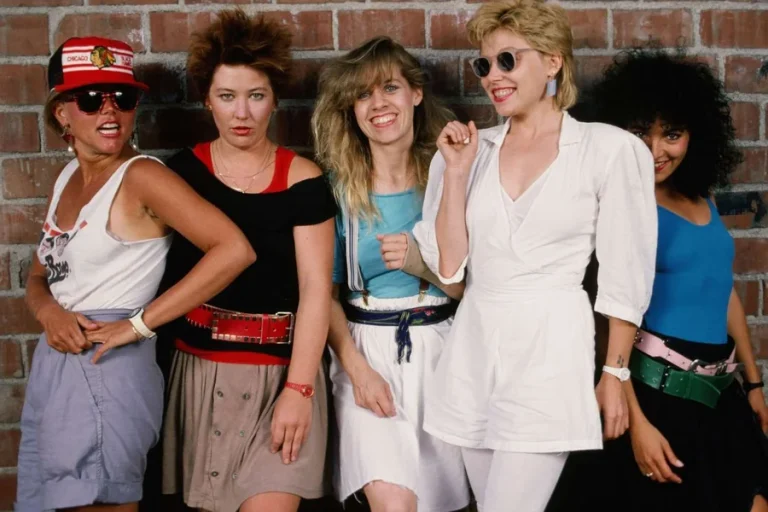
Shopping secondhand allows you to curate a wardrobe that is entirely personalized to your taste. Instead of following the latest trends dictated by mainstream retailers, you can build a collection of clothing and accessories that truly reflect your personality. Whether you’re into vintage clothing, boho chic, or retro fashion, secondhand shopping provides endless possibilities for finding items that align with your vision.
You’ll find garments that are authentic, one-of-a-kind, and full of character, unlike mass-produced, trendy pieces that everyone else is wearing. This enables you to stand out from the crowd while embracing your individuality.
4.2. Sustainable Wardrobe Choices
As more people embrace sustainable and mindful fashion, secondhand shopping is an ideal way to build a sustainable wardrobe. Instead of constantly buying new items, secondhand shopping encourages you to purchase only what you truly need and love. This helps you avoid impulse buys, cut down on overconsumption, and create a thoughtfully curated wardrobe that stands the test of time.
The Convenience of Online Secondhand Shopping
With the rise of online marketplaces like Depop, ThredUp, Poshmark, and eBay, secondhand shopping has never been easier or more accessible. You can browse thousands of secondhand items from the comfort of your home and have them delivered right to your door. This convenience makes secondhand shopping a popular choice for busy consumers who want to save time and money while still making eco-conscious decisions.
Many online secondhand platforms even offer detailed product descriptions, size charts, and customer reviews, making it easier to make informed purchases without ever stepping foot into a store. With fast shipping, you can often receive your items within days, making secondhand shopping just as convenient as buying new.
Conclusion: Secondhand Shopping as a Sustainable and Smart Choice
The benefits of shopping secondhand are clear. From reducing environmental impact to saving money and supporting local communities, secondhand shopping offers a wealth of advantages for consumers. By embracing secondhand goods, you can build a unique wardrobe, reduce waste, and promote a more ethical and sustainable fashion culture. Whether you’re hunting for one-of-a-kind vintage items, high-quality clothing at affordable prices, or simply want to make a positive impact on the planet, secondhand shopping is a win-win.
So, the next time you’re in the market for new clothing, furniture, or accessories, consider heading to your local thrift store or browsing online secondhand marketplaces. You’ll find that shopping secondhand isn’t just good for your wallet and the planet—it’s also a great way to embrace your individuality and make smarter, more ethical purchasing decisions.