 By admin
The question How to Become an Autopsy Tech is frequently asked by people, who are willing to pursue forensic science and medical investigation. The mortuary or forensic technicians can also be referred to as autopsy technicians; they have a very important role to play in supporting the pathologists in the post-mortem analysis. They make bodies ready, gather tissue samples, service equipments as well as maintain and ensure a safe and sterile working environment. It is a career with a blend of biology, anatomy, and investigative, is a unique and rewarding career to pursue by individuals whose interest is to help unravel medical and legal mysteries.
As a career, being an autopsy tech means a combination of both an educational degree and work experience and certification. Knowing the process, the capabilities you need, and the prospects are just some of the steps to follow in order to manoeuvre through this specialty area.
Table of Contents
Education Prerequisites to be an Autopsy Tech.
The initial process of learning to be an autopsy tech is by fulfilling the educational requirements. The majority of them demand a minimum of an associate degree in a similar subject, like:
Forensic Science
Biology
Anatomy and Physiology
Mortuary Science
The courses usually include human anatomy, pathology, microbiology and lab methods. The practical lab time is essential since the autopsy technicians should feel free working with specimens and special equipment. Internships or clinical placements in medical examiner offices may also be part of some programs, and can be useful experience of the real world.
Though a high school diploma or GED is required to work at the lower level, a higher education level raises employment opportunities and qualifies the candidates to take certification exams.
Certification and Licensing
Certifications may increase your levels of credibility and employability within the autopsy profession. Although some states do not necessitate that autopsy technicians be licensed, completing the credentials is a sign of competence and dedication to the profession. The typical certifications are:
Certified Autopsy Technician (CAT) by a certified forensic or medical society.
Basic Life Support (BLS) or CPR, which might be necessary in certain medical environments.
Bloodborne pathogen or hazardous material handling training.
Employers tend to favor candidates who are certified particularly in a forensic laboratory, a medical examiner office or even a hospital. In most certification programs, written exams are normally accompanied by practical assessments in order to establish proficiency.
Essential Skills for Autopsy Technicians
It takes more than schooling to be an autopsy tech. There are a few personal and professional skills that are essential to success:
Attention to Detail
To collect samples and record findings, thorough work is required to complete the task properly.
Manual Dexterity
Preparation of specimens, dissection of the tissue, and working with sharp objects demand delicate hands.
Emotional Resilience
Dealing with dead people and possible trauma cases needs psychological and emotional stamina.
Communication Skills
Technicians should report in an accurate way and work with pathologists, law enforcement, and lab workers.
Safety Awareness
Contamination and injury can be avoided by proper use of protective equipment and compliance to biohazard controls.
These skills plus the formal schooling, will make you very prepared to meet the tasks of the position.
Job Responsibilities of an Autopsy Tech
The knowledge of the day-to-day tasks of an autopsy technician will help to understand what the profession is all about. They may include the following:
Cleaning up the autopsy room and sterilizing all tools.
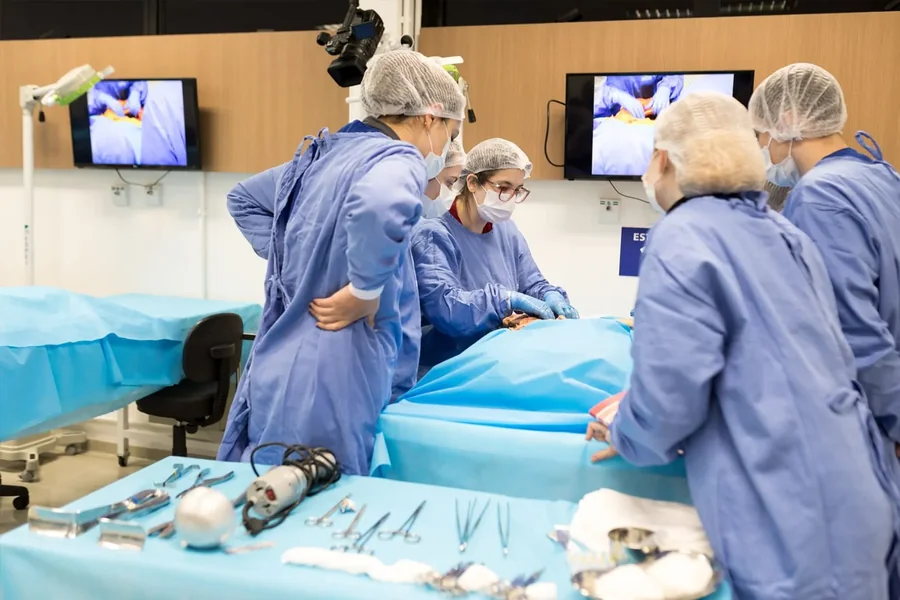
Helping pathologists during examination by aiding them in the use of instruments and writing observations.
Taking of tissue, blood and other specimens to test.
Labeling and storing samples in a proper way that can be analyzed in the lab.
Keeping cleanliness and safety levels to avoid contamination.
Using specialized lab equipment, e.g. microscopes and diagnostic equipment.
This may be a physically challenging job, and one that involves paying attention to details. The quality and completeness of the autopsy tech has a direct influence on the investigation and the legality.
Gaining Experience and Advancement Opportunities
Practical exposure is important in learning on how to become an autopsy tech. Backline jobs in hospitals, medical examiner offices or forensic laboratories offer exposure. Other technicians can begin as technicians with pathology assistants or lab aides and then move up.
Opportunities include: With experience, one can grow:
Lead Autopsy Technician
Forensic Laboratory Specialist: A forensic laboratory specialist carries out forensic laboratory examinations, manages forensic laboratory records, and oversees the maintenance and upkeep of the laboratory, facilities, equipment, and laboratory staff.<|human|>Forensic Laboratory Specialist: A forensic laboratory specialist performs forensic laboratory analysis, laboratory records, laboratory maintenance and laboratory upkeep, and supervises the laboratory staff.
Pathology Assistant
The medical examiner offices are allowed to hire instructors or trainers.
Further in-service training in forensic pathology, anatomy or medical technologies may improve career opportunities and ability to earn.
Final Thought
How to become an Autopsy Tech needs education, certification, practical skills and emotional resilience. This profession provides a different outlook on medical research, forensics and community health. With the help of relevant degrees, the required credentials, and the need of essential technical and interpersonal skills, you can become a successful autopsy technician and a valuable participant in some vital medical and legal activities.
FAQs
What education is required to become an autopsy tech?
Most autopsy techs hold an associate degree in forensic science, biology, or mortuary science.
Do autopsy technicians need certification?
Certification is not always required, but obtaining credentials such as Certified Autopsy Technician improves job prospects.
What skills are essential for an autopsy tech?
Key skills include attention to detail, manual dexterity, emotional resilience, communication, and safety awareness.
Can I advance in this career?
Yes, with experience and continuing education, autopsy techs can advance to lead positions or become pathology assistants.
Is working as an autopsy technician emotionally challenging?
Yes, the job involves exposure to deceased individuals and potentially traumatic cases, requiring emotional resilience.
Where do autopsy technicians typically work?
They usually work in medical examiner offices, forensic laboratories, hospitals, or pathology departments.