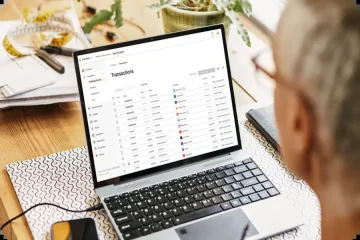
The question of How to Keep Track of Receipts of Small Business comes to the mind of many entrepreneurs after cost is beginning to accumulate. Initially, it might appear to be easy to either place paper receipts into a drawer or store the digital version in random folders. However, once your business starts expanding, a lack of organization may result in lost deductions, accounting mistakes, and stress that you do not need at the tax time. Maintaining records of receipts does not only concern neatness. It is doing fun in order to be profitable, legal, and make wiser financial choices.
You become able to see your spending when you have a dependable system to keep track of all receipts. You are fully aware of where your money is spent, what cost is recurrent and you know how to make sound financial reports. As a freelancer, as an online seller or as the owner of a local shop, a method of organizing the receipts will eventually save you time and pain in the long run.
Why Receipt Tracking Matters for Small Businesses
The key point to start understanding how to track receipts in small business is to know why it is such a big issue. Receipt is an evidence of purchase. They check business expenses, assist in tax deductions, and defend you during audit. You might fail to record such deductions, thus adding to your tax liability.
Budgeting also is aided by having proper receipt management. Patterns can be observed when you frequently look over your expense records. You are able to define unnecessary spending, enter into better supplier deals or change pricing strategies. Having clear records enhances communication with the accountants and facilitates easier process of seeking loans or attracting investors.
The other significant cause is compliance. Businesses are expected to keep good records of a certain number of years, which are required to be furnished by the tax authorities. Having incomplete or untidy records may result in fines or time wastage. A proper receipt system will be properly organized and demonstrate a sense of responsibility.
Creating a Simple and Reliable Receipt System
Learning how to keep track of receipts in a small business is one of the best methods of learning which can be done through having a simple system that one can maintain or upkeep steadily. Complex systems usually fail due to the fact that they are too time consuming. The trick here is being able to use a style that works with your workflow.
Begin by dividing personal and business expenses entirely. Open up an exclusive business checking account and business credit card. This will save you a lot of confusion and most of your transactions will have already been classified as business related.
The next step is determining what type of system you would want, either a digital system, a physical system, or both. A good number of owners of small businesses check the paper receipts on the computer and save the data. Online storage eliminates paper work and facilitates the process of locating particular transactions in the future.
Divide your expenses into definite categories including office supplies, travel, utilities, marketing and equipment. Label receipts in these categories. In case you are using accounting software, align your categories of receipts with your chart of accounts. It is better to be consistent than perfect. You will also have a good chance of staying with your system when it is easy to follow.
Going Digital with Receipt Management
Small business has been taught on how to track receipts in a practical way through technology which has contributed a lot in making things easier. With digital means, it can be automated and minimize human error.
The Receipt scanning apps enable you to scan a paper receipt and turn it into an electronic file. Numerous tools may be used to extract information like date, amount, and vendor, among others. This saves time and manual data entry is minimized. After scanning, receipts may be stored in cloud systems through which they are backed up and easily retrieved.
Bank feeds are usually supported in accounting software, and transactions are imported automatically. Once your business account is connected, you are able to match every transaction with a digital receipt. This makes sure that all costs are duly documented.
Another easy solution is cloud storage. It is possible to add folders according to year and month and upload scanned receipts to them. This is an effective solution among business owners that do not necessarily want an intricate software.
It is also easier to share records with accountants using digital systems. You do not need to issue stacks of paper, but can offer secure online access. This enhances coordination and acceleration of financial reporting.
Organizing Paper Receipts the Smart Way
Paper receipts are still prevalent even in the digital world. When physical receipts are quite common to you, then you should have a strategy on how to handle them effectively.
The first thing would be to bring all receipts into a single temporary place within the week, a small envelope or a folder. Do not leave them in your wallet, car or in your desk drawer. Process and review them at the end of every week.
Sorted by folder or expanding files You can sort paper receipts by month and category. Other business owners like to operate with binders with plastic sleeves per month. It becomes simple to go through and locate particular receipts when required.
In case you still choose to have hard copies in the long run, then keep them in a safe and dry facility. Remember that not all receipts last long. This is the reason why digital backup by scanning them is strongly advisable. It is a good option to have both physical and digital copies to offer an additional level of security.
Consistency is crucial. Establish a routine, like once a month, on say Friday afternoons, to update your records on receipts. Once the ordering method of tracking receipts is a routine, it will no longer be overwhelming.
Staying Organized Throughout the Year
Even learning on how to keep track of receipts of small business is not merely about establishing a system. It is concerned with its preservation year-round. Most small business owners are usually strong at the beginning but are left behind at times when business is doing well.
To prevent this, develop mini habits. Expense incurred in the daily or weekly basis and not in the end of the month. Such short sessions do not require massive catch-up tasks as long ones.
Check your expense bills at the end of every month. This will assist you in identifying mistakes early enough and also in aligning all the receipts correctly. Cash flow and profitability can also be determined based on the monthly reviews.
The other useful tip is to create reminders. You can be reminded to scan receipts, balance accounts and get your files in order using calendar alerts. This is because automation minimizes chances of forgetting critical duties.
When you hire an accountant or a book keeper, take a check-in once or twice in a year.
with the professional advice you receive, you will be aware that your records of receipts are in compliance with the tax laws and the accounting principles. This preventive measure is able to avert expensive errors in the future.
Lastly, retention requirements. Businesses in most areas have to maintain financial records over a number of years. Know the regulations of where you are and keep your records in order.
Common Mistakes to Avoid
When trying to calculate how to track the receipts of small business, one is bound to make some errors that can lead to greater troubles in the future. Mistakes such as confusing between personal and business expenses are one of them. This makes it difficult to maintain a book and can create eyebrows in the auditing process.
Waiting long to record expenses is another error. The latter the better you postpone it, the worse you will be able to remember what this or that purchase was. Minor details are important in the classification of expenses in the right way.
There are also business owners who use bank statements without receipts. Bank statements indicate the costs of transactions but do not provide much information regarding purchased items. Receipts will give the required documentation on tax deductions.
Another risk is the failure to provide a backup of digital files. You may end up losing important records in case your computer crashes, and you have no backup. External backups or cloud storage are highly necessary.
Simplification of your system can also result in failure. Select a process that corresponds to your business size and business complexity. The system may not be required in a large retail store as compared to that of a freelancer. Consistency is promoted by simplicity.
Final Thought
Learning how to maintain receipts of small business is a crucial aspect that an entrepreneur should be able to know. It helps to keep proper records, claim as many tax deductions as possible, and gain an idea of your financial condition. The simple system, a routine and the right tools will make the receipt management a reasonable aspect of your routine instead of a stressor.
Being able to view the process of tracking the receipt as a continuous process rather than last minute work, you safeguard your business against mistakes and unexpected situations. Well structured books provide you with confidence in a tax season and enable you to make sound financial judgment. Finally, being an organized person is not only about paperwork. It is concerning the construction of a business that is steady and prosperous.
FAQs
What is the best way to keep track of receipts for small business?
The best way is to use a consistent system that combines digital scanning, organized storage, and regular updates to your accounting records.
How long should small businesses keep receipts?
Small businesses should generally keep receipts for several years, depending on local tax regulations and legal requirements.
Can I throw away paper receipts after scanning them?
In many cases you can discard paper receipts after creating clear digital copies, but you should confirm that digital records are acceptable under your local laws.
Do I need accounting software to manage receipts?
Accounting software is helpful but not mandatory, as you can use organized folders and spreadsheets if they are maintained consistently.
What happens if I lose a receipt for a business expense?
If you lose a receipt, you may still record the expense using bank statements, but you might not be able to claim certain deductions without proper documentation.
How often should I update my receipt records?
You should update your receipt records weekly or monthly to prevent backlogs and maintain accurate financial reports.