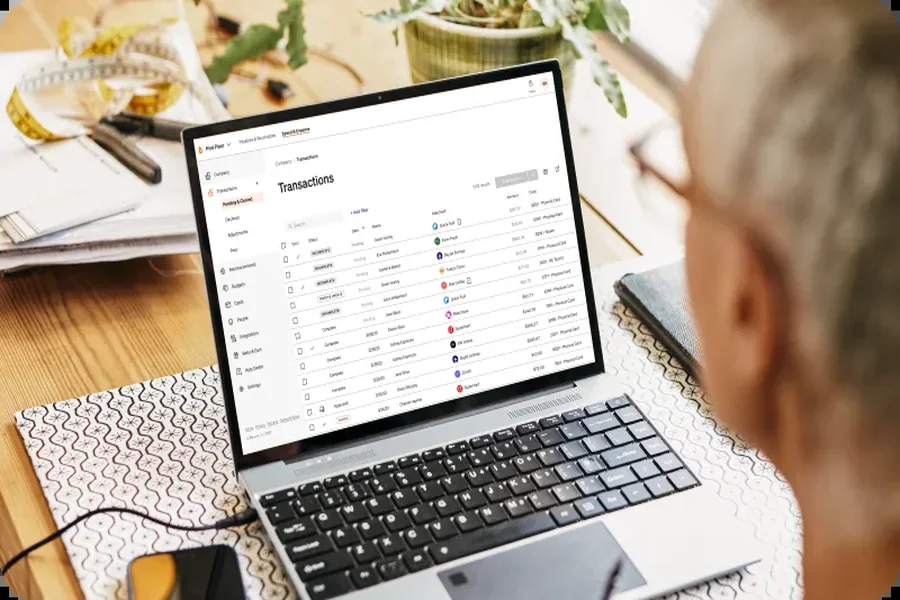
The operation of a business is not simply about selling and serving customers. Managing paperwork in a proper manner is one of the most important but neglected jobs. When you ask yourself about arranging invoices to conduct small businesses, you are already making a wise move in terms of financial sanity and long-term viability. Systematized invoices assist in monitoring payments, cash flow, tax preparation and prevent expensive errors.
When invoices are mixed up in emails, folders, and spreadsheets, it becomes hard to understand who has paid the money, who is still having money to pay and what the expenses are required. The easy and uniform system helps to save time on frustration and avoid mistakes in accounting. As the owner of a retail store, freelance service, or a company that is on the rise, it is necessary to organize the invoicing procedure.
Why Invoice Organization Matters
It is good to know the reasons why proper organization is so crucial before going into the steps. Invoices are the lifeblood of business. They demonstrate money inflow and outflow. Unless they are monitored properly, your cash flow would get lost easily.
A systematic invoicing will enable you to keep track of payments and contact the clients in time. It also ensures that you are able to check expenses when going through budgets or when doing tax returns. Professionalism and credibility is reflected in well organized records during audits or other financial reviews.
In addition to compliance, organization eliminates stress. Once you are well aware of where your records are kept, and how they are classified, you are able to concentrate more on growing your business, rather than losing your records.
Create a Clear Invoicing System
Initially, the process of learning to organize invoices in order to achieve the success of the small business begins with the creation of a consistent system. Determine whether or not you will use a digital system, paper system or both. The advantage of going digital is that most small businesses nowadays have fewer clutters, and the search process is simplified.
When going the digital route, make distinctly marked folders. Separate outgoing invoices and incoming invoices. In such folders, by year and by month. It can find documents within a short time.
In case of paper records, labeled binders or filing cabinets should be used. Have individual folders of unpaid invoices, paid invoices and recurring expenses. Consistency is key. After making a decision on a system, be consistent with it.
It is also important in naming conventions. As an illustration, the client name, invoice number, and the date should be contained in the file name. Such a simple routine can help save a lot of time searching certain records.
Use Accounting Software and Digital Tools
Invoices are really simpler to organize with the help of technology. Accounting software enables you to make, transmit, track, and keep invoices in a single centralized entry system. There are also many tools, which remind the clients automatically, decreasing the late payments.
Online applications are able to classify expenditures and prepare financial statements automatically. This will provide you with up-to-date business performance. Automatic systems can be used to minimize errors rather than manually updating spreadsheets.
There are more advantages of cloud-based platforms. They enable you to access records anywhere and store your data in a safe place. It comes in handy particularly when you are working at home or when you are jointly working with an accountant.
Although you might choose manual processes, scanning paper invoices and storing the information digitally has a backup and it is easier to store long-term records.
Track Payment Status and Due Dates
One of the most significant portions in the way to structure invoices to operate in a small business is to track the payment status. Sending an invoice and forgetting about it is not enough. You need to monitor paying of it, pending or overdue.
Keep a precise list of deadlines. Aging reports are popular with many small businesses and group invoices according to their longevity. This assists in prioritising follow-ups and better management of cash flow.
Record whenever receiving payments. This may happen due to delays in recording payments, and the client may end up being contacted twice. Transparency in the communication and timely reports ensure that your records are accurate.
One of the considerations would be to set aside time every week to check on pending invoices. Regular review process helps to ensure that minor problems do not turn out into big problems.
Separate Business and Personal Finances
Confusion of personal and business expenses is one of the most common errors made by small business owners. This complicates invoice organization to a great deal. It is easier to keep track of income and expenses by opening a special business bank account.
In case all transactions pass through a single business account, it will be easy to reconcile the invoices. You can make deposits equal payments without searching through personal transactions.
Expenses paid also keep the records clean when using a business credit card. All the statements give a concise overview of the transactions that can be reconciled to invoices.
Isolating finances also enhances organizing and having a better financial credibility. It simplifies the tax preparation process and defends you in the cases of inspecting the audits.
Establish a Record Retention Policy
Organization of invoices is not only in the present, but also in long-term storage. You will have to be aware of the duration of record maintenance and the place of safety of storage. Most tax authorities suggest storing financial records in more than one year.
Easy retention policy in your business. Determine the duration of your time to keep invoices and the method of their retention in digital or physical forms or both. Label archived folders with the year that it is in so that you can access older documents just in case of necessity.
Periodically audit old files as per the law. Retaining all this will just be a waste of space but destroying records too early will pose a legal risk.
Build a Routine and Stay Consistent
Consistency is the best plan of how to arrange invoices to succeed in business as a small business. Organization is not a unique project. It is an ongoing habit.
Put aside a standard time in a week to revise documents, submit invoices, and balance account. Do not allow too much paper work to accumulate. Minor, regular tasks are much simpler than attempting to reorganize months of unsystematic papers simultaneously.
Have train employees, when you have them follow the same system. A mutual understanding of the processes makes sure that all of them are equally accurate.
With time, a well-established routine transforms the process of invoicing into an unproblematic activity, which contributes to the growth of the business.
Final Thought
The knowledge of arranging invoices to use in the activities of a small business is the key to keeping the financial situation clear and minimizing the stress levels. Organized system, computer solutions, transparent nature of payments and regulated habits are all helpful to the management of cash flows. You establish a safe base of stability and expansion by keeping business and personal finances apart and recording it. Arranged invoices help in not only making tax preparation easy but they also help in making you have confidence in the choices you make with the money. When the appropriate habits are established, invoice management would be an effective tool instead of a liability.
FAQs
Why is organizing invoices important for small businesses?
Organizing invoices helps track payments, manage cash flow, prepare taxes accurately, and avoid financial errors.
Should I use digital or paper invoice systems?
Digital systems are generally more efficient and easier to search, but some businesses use a combination of both for backup purposes.
How often should I review my invoices?
Reviewing invoices weekly helps ensure payments are tracked properly and overdue accounts are addressed promptly.
How long should I keep business invoices?
Most businesses keep invoices for several years based on tax regulations and legal requirements.
What is the best way to track unpaid invoices?
Using accounting software or maintaining an aging report helps monitor unpaid invoices and follow up on overdue payments.
Can mixing personal and business expenses affect invoice organization?
Yes, mixing finances makes tracking transactions more difficult and can create complications during tax preparation or audits.